The Truth About Meal Delivery Services: My Honest Take After Testing Dozens
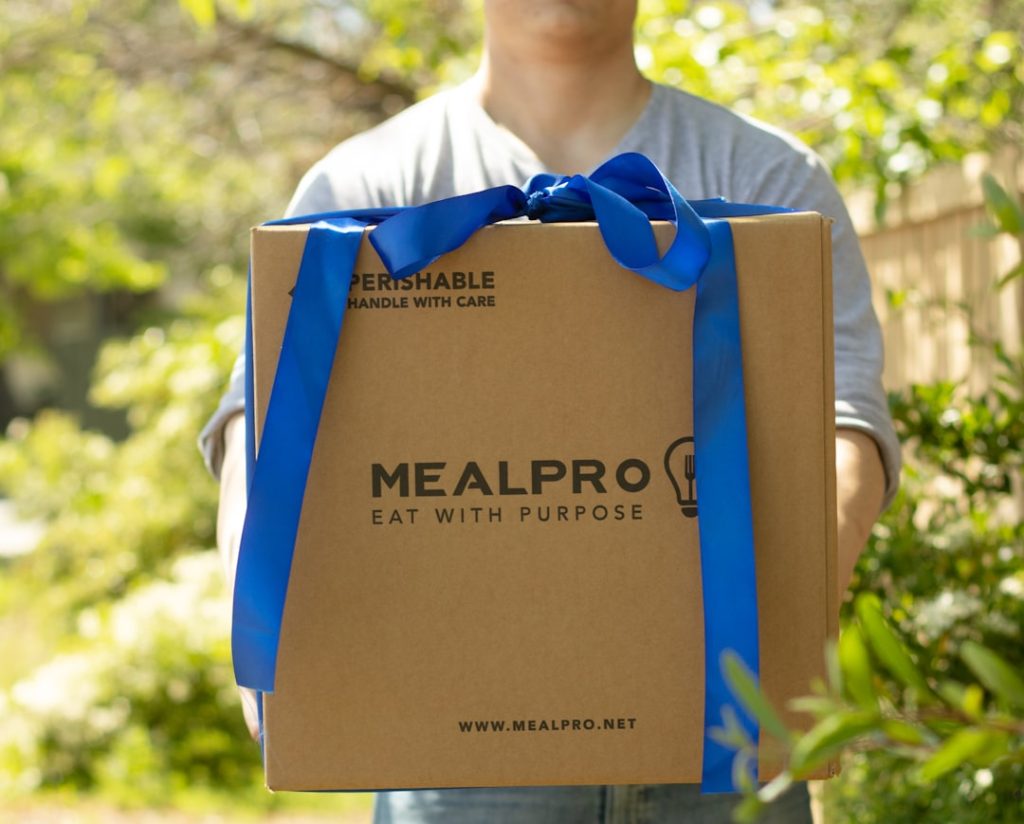
As someone who genuinely loves cooking but often finds herself staring into an empty refrigerator at 7 PM, I understand the appeal of meal delivery services. But here’s what I think: most people are approaching these services completely wrong, and frankly, most of them aren’t worth your hard-earned money.
After extensively testing numerous meal delivery platforms, I’ve come to some strong conclusions about who these services actually serve and who they leave disappointed. Let me be clear from the start—this isn’t about convenience alone. It’s about whether you’re getting genuine value for what you’re paying.
The Services That Actually Deliver Value
In my experience, only a handful of meal delivery services justify their premium pricing. Here’s my honest assessment of what works and what doesn’t:
For Serious Home Cooks: Marley Spoon
If you’re someone who actually enjoys the cooking process but despises meal planning and grocery shopping, Marley Spoon stands out. What I appreciate most is that it doesn’t insult your intelligence—vegetables arrive whole, techniques are legitimate, and you’re genuinely cooking, not just assembling.
The Martha Stewart partnership brings real recipe development expertise, and I found myself learning techniques I’d actually use again. However, this isn’t for people looking for shortcuts. If you want to microwave dinner in three minutes, look elsewhere.
The Safe Choice: Home Chef
Home Chef works for most people because it doesn’t try to be revolutionary. It’s reliable, offers extensive customization, and won’t surprise you with exotic ingredients your kids will refuse to eat. The flexibility in portion sizes and dietary accommodations makes it practical for real families with real constraints.
That said, I think the recipes can feel uninspired. You’re paying premium prices for what amounts to elevated comfort food. It’s fine, but it’s not exciting.

For Families Who Need Simple: HelloFresh
HelloFresh dominates the market for a reason—it’s designed for the broadest possible appeal. The recipes are foolproof, the ingredients are reliable, and everything is clearly labeled and organized.
But here’s my issue: the meals lean heavily on carbs and processed sauces, and the vegetable portions are often disappointing. If you’re trying to eat healthier, this isn’t your solution. It’s meal planning convenience, not nutritional improvement.
When Prepared Meals Actually Make Sense
I’m generally skeptical of fully prepared meal services because they sacrifice the satisfaction of cooking for convenience. However, CookUnity changed my mind about what’s possible in this category.
The chef-crafted approach actually works—these meals taste like restaurant food, not cafeteria food. The portions are generous, and the variety is impressive. But you’re paying restaurant prices for microwave meals, which feels problematic to me long-term.
The Budget Reality Check
Dinnerly markets itself as affordable, but here’s the truth: even the “budget” meal kits are expensive compared to grocery shopping. At $8 per serving, you’re still paying premium prices, and the quality reflects the cost savings.
I found the recipes hit-or-miss, and you need a well-stocked pantry since basics aren’t included. If budget is your primary concern, you’re better off learning to meal plan and shop sales.
Specialized Services: Proceed With Caution
Services like Purple Carrot (vegan-only) and Green Chef (organic-focused) serve specific niches well, but they’re expensive solutions to problems you might solve more affordably elsewhere.

Purple Carrot impressed me with creative plant-based recipes, but at $13 per serving, you’re paying a significant premium for vegan meal planning. If you’re committed to plant-based eating, it might be worth it temporarily to expand your recipe repertoire.
Who Should Skip Meal Delivery Services Entirely
Let me be direct about who I think shouldn’t bother with these services:
- Budget-conscious families: Even the cheapest options cost significantly more than grocery shopping and cooking from scratch
- Experienced cooks: If you already enjoy cooking and have a repertoire of go-to meals, you’re paying for convenience you might not need
- People with very specific dietary needs: Most services offer limited options for complex dietary restrictions
- Environmental advocates: The packaging waste is substantial across all services
Who Might Actually Benefit
These services make sense for a specific subset of people:
- Busy professionals with disposable income who value time over money
- Couples or small households where grocery shopping for two feels inefficient
- People learning to cook who want structured guidance and pre-portioned ingredients
- Temporary convenience seekers during busy life periods (new baby, job change, etc.)
My Final Verdict
Here’s what I really think: meal delivery services are a luxury, not a necessity. They solve a first-world problem—decision fatigue around dinner—with an expensive solution.
If you have the budget and genuinely value the convenience, Home Chef or Marley Spoon offer the best overall experience. But don’t fool yourself into thinking these services are economical or necessarily healthier than cooking from scratch.
The most honest advice I can give? Try a service for a few weeks to expand your recipe repertoire, then cancel and cook those recipes yourself with grocery store ingredients. You’ll save money and still benefit from the meal planning inspiration.
Most people would be better served by investing in a good cookbook and learning basic meal planning skills. But if you’re going to use a meal delivery service anyway, at least choose one that respects your intelligence and delivers genuine value for the premium you’re paying.
Photo by Ella Olsson on Unsplash
Photo by Micael Afonso on Unsplash