Britain Faces Steepest Economic Decline Among Developed Nations Due to Middle East Conflict
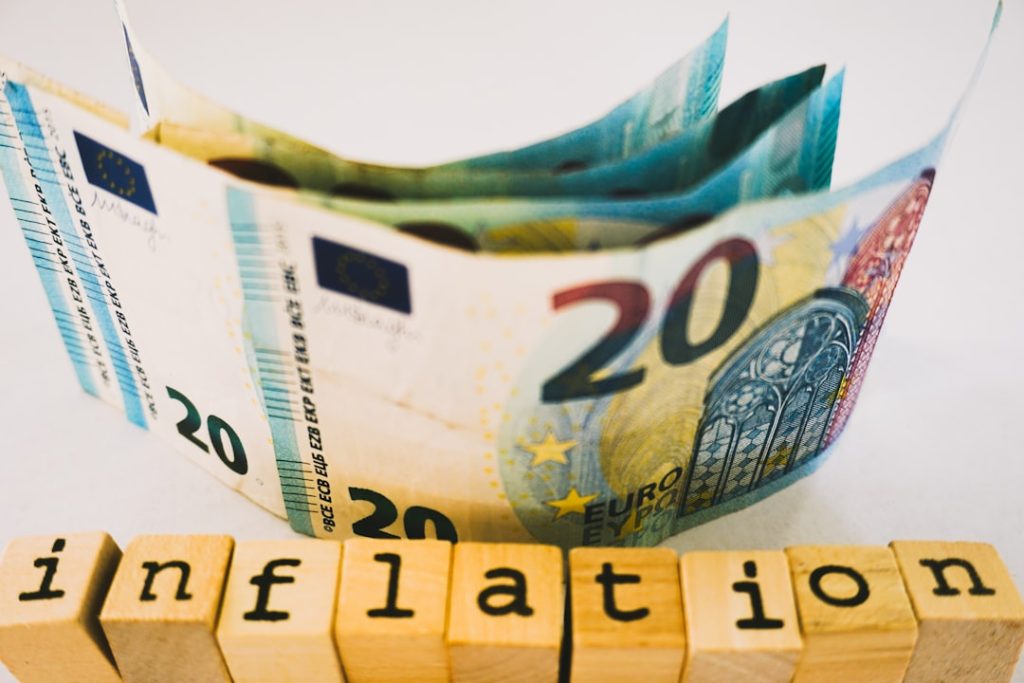
The ongoing Middle Eastern conflict has positioned Britain as the most vulnerable major economy to energy-related economic shocks, according to fresh analysis from international financial institutions. This assessment reveals uncomfortable truths about the UK’s economic resilience that policymakers have been reluctant to acknowledge.
What strikes me most about this situation is how it exposes the fundamental weakness in Britain’s energy security strategy. The International Monetary Fund has slashed its UK growth projection for this year to just 0.8%, down from a previously optimistic 1.3% forecast made before hostilities escalated. This isn’t just a minor adjustment – it’s a wake-up call about economic vulnerability.
Why Britain Bears the Brunt
The half-percentage-point downgrade represents the largest revision among developed economies, and frankly, this shouldn’t surprise anyone who’s been paying attention to Britain’s energy dependencies. As a net energy importer, the UK remains dangerously exposed to global supply disruptions and price volatility. This matters enormously for ordinary households and businesses who will feel the pinch through higher costs across the board.
The IMF attributes this dramatic revision to three key factors: the ongoing conflict, fewer anticipated interest rate reductions, and the expectation that elevated energy costs will persist well into next year. For working families already struggling with cost-of-living pressures, this represents a perfect storm of economic headwinds.

Political Responses Miss the Mark
Chancellor Rachel Reeves’ response that “the war is not our war, but it will come at a cost” feels inadequate given the scale of the challenge. While she claims the government entered this crisis from a position of strength, the evidence suggests otherwise. The UK’s economic buffers appear thinner than officials would like to admit.
Meanwhile, US Treasury Secretary Scott Bessent’s dismissal of “a small bit of economic pain for weeks” demonstrates a troubling disconnect from the reality facing British households. For families choosing between heating and eating, there’s nothing small about economic hardship, regardless of geopolitical justifications.
Inflation Concerns Mount
Perhaps most concerning is the IMF’s projection that Britain will experience the joint-highest inflation among G7 nations this year at 3.2%, rising potentially to 4% before eventually returning to the Bank of England’s 2% target by late 2027. This timeline feels optimistic, and I suspect the reality could be more prolonged and painful.
The Fund’s warning against premature interest rate increases makes sense from a macroeconomic perspective, but it leaves central bankers in an impossible position. They’re damned if they raise rates to combat inflation and damned if they don’t, risking further price pressures.

Limited Policy Options
What’s particularly troubling is the IMF’s assessment that Britain has limited fiscal space to provide meaningful support to households and businesses. Chief economist Pierre-Olivier Gourinchas’ warning that the UK should be “very cautious” about assistance programs essentially tells struggling families they’re on their own.
This matters most for small businesses operating on thin margins and households already stretched by previous cost-of-living crises. These groups have the least capacity to absorb additional economic shocks, yet they’re being asked to bear the burden of global instability.
Looking Forward
The IMF does project a recovery, suggesting Britain could become Europe’s fastest-growing economy next year within the G7 group, though at a modest 1.3% growth rate. However, this optimistic scenario depends heavily on a relatively swift resolution to Middle Eastern tensions by the second half of this year – an assumption that feels increasingly uncertain.
For investors and business leaders, this analysis suggests a period of continued volatility and challenging operating conditions. Those in energy-intensive industries should prepare for sustained pressure on margins, while consumers should brace for persistent inflationary pressures across essential goods and services.
The broader lesson here is about the interconnectedness of global events and domestic economic performance. Britain’s vulnerability to external shocks reflects decades of policy choices that prioritized short-term considerations over long-term resilience. Until this fundamental issue is addressed, the UK will remain disproportionately exposed to global instability.
Photo by Paul-Christian M on Unsplash
Photo by Markus Winkler on Unsplash
Photo by Joachim Schnürle on Unsplash