Energy Companies Launch Incentive Programs to Reward Peak Solar Production Usage
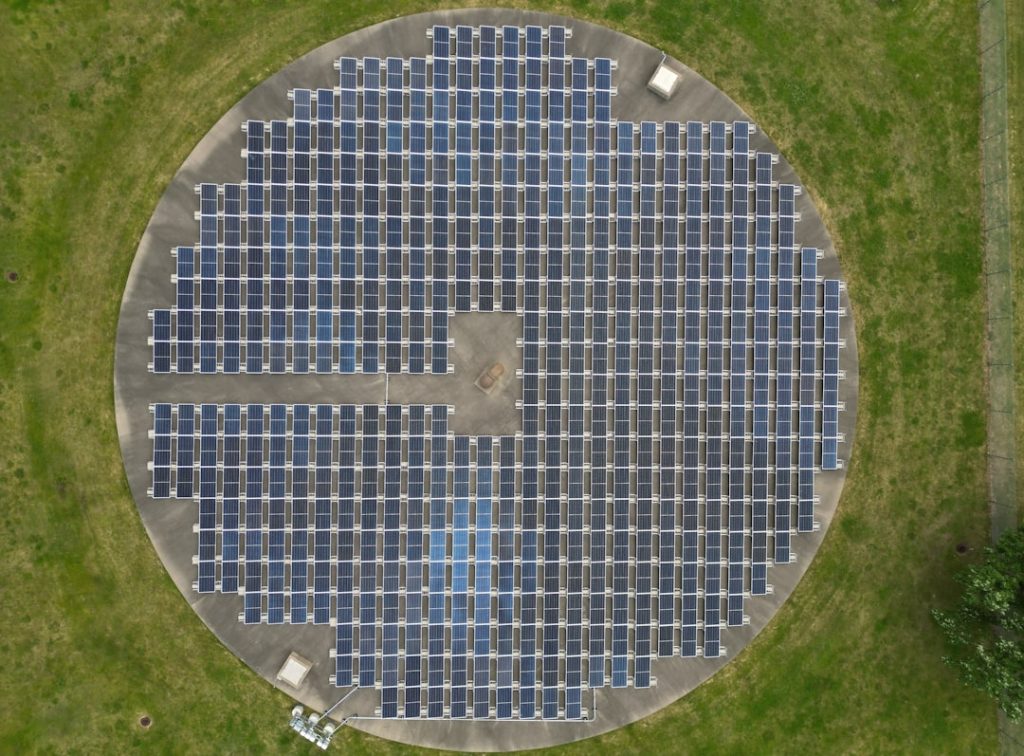
I believe we’re witnessing a pivotal moment in energy consumption patterns, and this latest development could fundamentally change how we think about electricity usage. Energy providers are now implementing programs that reward consumers for using more electricity during periods of renewable energy abundance, particularly on sunny weekends when solar generation peaks.
This shift represents a smart response to what I see as an inevitable challenge: managing surplus renewable energy. The National Energy System Operator has expanded its Demand Flexibility Scheme to address periods when weather conditions create excess supply, moving beyond traditional peak-time reduction strategies.
Who Benefits Most From These Programs
In my view, this initiative is particularly valuable for households with flexible schedules and smart home technology. Families who can shift their laundry, dishwashing, and electric vehicle charging to weekends will see the greatest rewards. However, I think it’s important to note that this won’t work for everyone – shift workers, busy professionals, or those without smart meters may find it challenging to participate meaningfully.
The program requires smart meter installation and participation from energy suppliers, which immediately excludes a significant portion of consumers. This creates what I consider an unfortunate divide between tech-savvy, flexible households and those who can’t adapt their usage patterns.
The Renewable Energy Reality
What strikes me as particularly significant is the underlying data driving these changes. Renewable sources generated record amounts of electricity last year, with wind leading the charge and solar power increasing by nearly a third. The fact that 2025 was the sunniest year on record, combined with 250,000 new rooftop solar installations, paints a clear picture of our energy future.
I find it encouraging that on roughly one-third of days in 2025, at least half of Britain’s electricity came from renewables. However, the continued reliance on gas-fired power stations for grid balancing highlights the complexity of our transition. This dual reality – abundant renewable generation alongside fossil fuel dependency – is exactly why demand flexibility programs matter.

Implementation Challenges and Opportunities
The regional variation aspect of this program is particularly interesting to me. Customers in different areas might receive opposite incentives – some encouraged to increase usage while others reduce consumption. This localized approach makes sense from a grid management perspective, but I worry it could create confusion among consumers.
Energy companies like British Gas, Equiwatt, and Octopus Energy have already committed to the scheme, with some running parallel programs. British Gas’s PeakSave initiative, offering half-price electricity on Sunday afternoons, demonstrates how these incentives might work in practice.
What This Means for Average Consumers
For most households, I believe the benefits will be modest but meaningful. Free or discounted electricity for running major appliances during optimal times could reduce monthly bills, particularly for families with high energy usage. The rewards system – ranging from cheaper rates to gift card points – offers flexibility that should appeal to different consumer preferences.
However, I think it’s crucial to manage expectations. This isn’t a solution for everyone, and the savings won’t be transformative for most households. The real value lies in contributing to grid stability while potentially reducing energy costs.
The complexity of operating the electricity system during low-demand periods is increasing, requiring more sophisticated management tools. This program represents one piece of a larger puzzle that includes everything from power station output adjustments to consumer behavior modification.
Ultimately, I see this as a positive step toward a more flexible, renewable-focused energy system, though success will depend heavily on consumer adoption and technological infrastructure development.
Photo by Bl∡ƙẹ Nyquist on Unsplash
Photo by Daniel Miksha on Unsplash