Economic Anxiety Forces Australian Families to Cut Back on Restaurant Spending
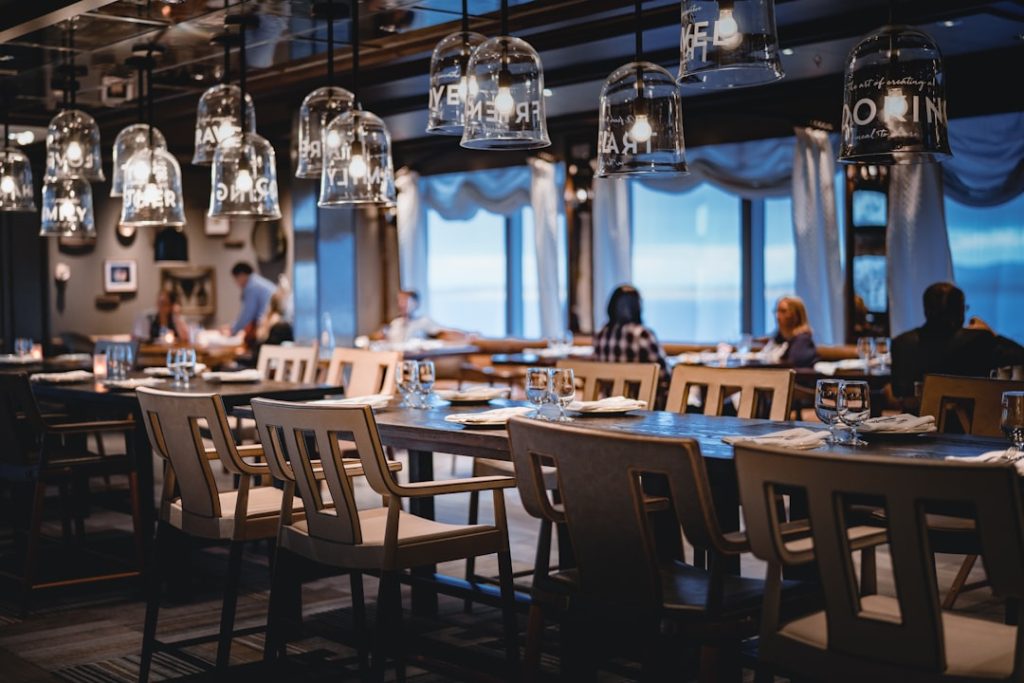
The current economic climate has fundamentally shifted how Australian households approach discretionary spending, and I believe we’re witnessing a textbook example of how quickly consumer behavior can change when uncertainty strikes. The data shows families are making stark choices between basic necessities and dining experiences, opting for budget-friendly meals over premium options and skipping extras like appetizers and alcoholic beverages.
What strikes me most about this trend is the speed at which it developed. Within just weeks of fuel prices climbing due to Middle Eastern conflicts, restaurant owners reported immediate changes in customer ordering patterns. This rapid response suggests that many households were already operating on thin margins before the latest price shocks hit.
John Hart from the Restaurant & Catering Association describes customers gravitating toward chicken schnitzel instead of expensive cuts like rib-eye, while many patrons stick to tap water rather than ordering wine. This shift reflects what economists call ‘cautious consumption’ – a defensive spending strategy where people reduce expenses not necessarily because they can’t afford them, but because they’re preparing for potentially worse times ahead.
The Psychology Behind Economic Anxiety
I think this behavioral shift reveals something deeper about consumer psychology during uncertain times. The Westpac-Melbourne Institute sentiment index recorded its steepest monthly decline since the pandemic began, indicating that Australians are mentally preparing for another extended period of financial strain similar to what they experienced during COVID-19.
This matters enormously for middle-class families who have disposable income but are choosing to preserve it. These aren’t necessarily people facing immediate financial hardship – they’re individuals and families making calculated decisions to build financial buffers against an uncertain future. In my view, this represents a mature response to economic volatility, even if it’s painful for the hospitality industry.

Who’s Really Feeling the Pinch
The impact isn’t uniform across all demographics. Financial counselors report that some consumers are now using buy-now-pay-later services and gift cards just to purchase fuel and groceries, indicating that certain segments of the population were already stretched thin before the latest price increases.
Kirsty Robson, a senior financial counselor, notes that many people hadn’t fully recovered from COVID-19’s economic effects and were living paycheck to paycheck. For these households, the recent fuel price surge represents a genuine crisis rather than just a reason for caution.
I believe this creates a two-tier impact: affluent consumers practicing preventive belt-tightening, while lower-income families face genuine hardship. Restaurant owners need to understand this distinction when planning their response strategies.
Banking Data Confirms the Trend
Multiple financial institutions have tracked this spending shift through transaction data. Commonwealth Bank reports show households redirecting money from dining out, travel, and home improvements to cover rising fuel and energy costs. National Australia Bank found similar patterns, with particular declines in food delivery services and everyday treats like coffee and snacks.

What concerns me about these findings is that coffee and small indulgences typically remain stable even during mild economic downturns. When people start cutting these small pleasures, it suggests a deeper level of financial anxiety than we might expect from fuel price increases alone.
Geographic and Sector-Specific Impacts
The restaurant industry isn’t experiencing uniform damage across all segments. Hart points out that destination venues – wineries, coastal restaurants, and tourist-dependent eateries – face particular challenges as people become more conscious about driving distances.
This geographic disparity makes sense to me. Urban restaurants serving local customers might weather this storm better than establishments relying on day-trippers willing to drive significant distances for a dining experience. The psychological barrier of calculating fuel costs for leisure travel creates an additional hurdle that many venues must now overcome.
Long-term Implications
I suspect this spending pattern will persist longer than the immediate fuel crisis that triggered it. Once consumers establish new habits around cautious spending, they often maintain them even after the initial stressor subsides. This could mean a prolonged adjustment period for the hospitality sector.
However, I also believe this presents an opportunity for restaurants to innovate. Venues that can offer genuine value – not just low prices, but compelling experiences that justify the cost – may actually strengthen their market position during this period.
The key insight here is that economic uncertainty affects different consumer segments in fundamentally different ways, and successful businesses will need to adapt their offerings accordingly rather than simply waiting for conditions to improve.
Photo by Yiran Ding on Unsplash
Photo by Frankie Cordoba on Unsplash
Photo by Negley Stockman on Unsplash