Papal Journey to North Africa Highlights Catholic Church’s Strategic Shift Toward Growing Continental Presence
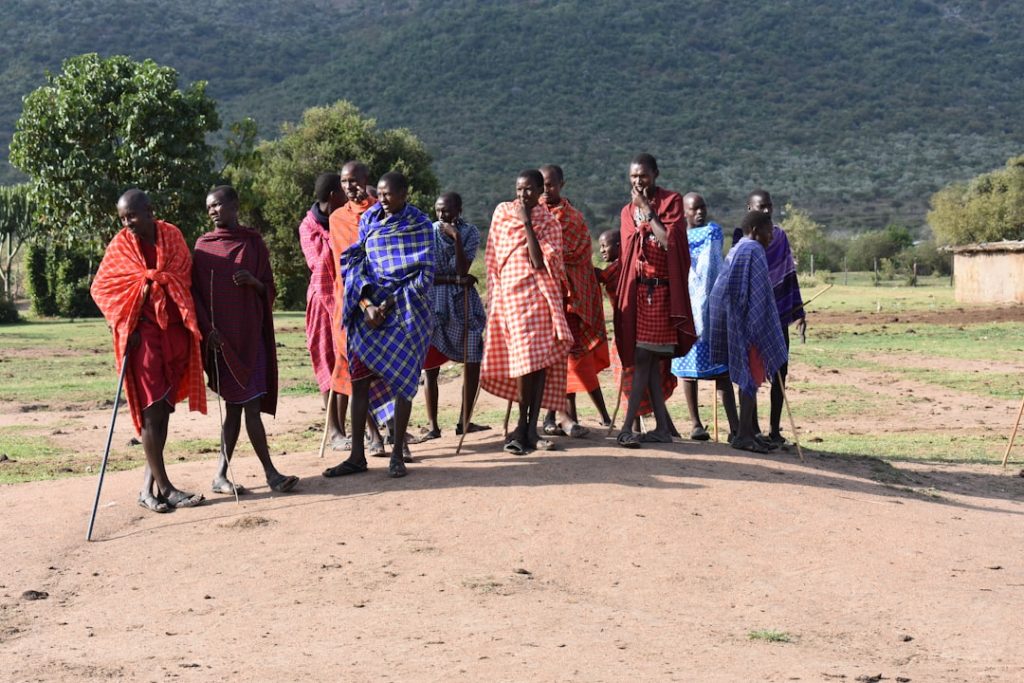
The Catholic Church’s leadership has made a calculated decision to prioritize Africa in its global outreach strategy, and frankly, it’s about time. The recent papal visit to Algeria, marking the first time a pontiff has set foot in the North African nation, represents more than ceremonial diplomacy—it’s a recognition of demographic reality that church leadership can no longer ignore.
This extensive 11-day continental tour, encompassing Algeria, Cameroon, Angola, and Equatorial Guinea, sends an unmistakable message about where the Vatican sees its future. I believe this strategic pivot is long overdue, considering Africa now accounts for approximately 20% of the world’s Catholic population, with growth rates that put European parishes to shame.
The numbers tell a compelling story that church administrators would be foolish to overlook. While European Catholicism continues its steady decline, African Catholic communities have expanded by 7 million members in just the past year, with 14 new dioceses established across the continent. For church leadership focused on institutional survival and growth, this isn’t just an opportunity—it’s an imperative.
Strategic Timing and Religious Diplomacy
What strikes me as particularly shrewd is the choice to begin this tour in Algeria, a predominantly Muslim nation. This isn’t merely about ministering to existing Catholic communities; it’s about positioning the church as a bridge-building institution in an era of religious tension. The emphasis on interfaith dialogue and peaceful coexistence serves multiple purposes that benefit both local communities and the Vatican’s global image.

However, I’m somewhat skeptical about how much real impact these high-profile visits can have on ground-level religious freedom issues. While the symbolism is powerful, Christians, Ahmadi Muslims, and liberal Muslims in Algeria continue facing restrictions that a papal visit alone won’t resolve. The church’s influence in these matters is limited, and expecting dramatic policy changes would be unrealistic.
Who Benefits Most from This Continental Focus
African Catholic communities stand to gain significantly from this increased papal attention. For congregations that have long felt peripheral to Vatican priorities, this recognition validates their growing importance within the global church structure. Local religious leaders will likely see enhanced resources, greater institutional support, and improved connections to international Catholic networks.
The timing also benefits church officials seeking to demonstrate relevance in contemporary global affairs. By emphasizing Africa while notably avoiding certain Western destinations, the Vatican is making a statement about its values and priorities that resonates with progressive Catholics worldwide.
Historical Significance and Theological Connections
The selection of Algeria as the tour’s starting point carries deeper meaning than mere diplomatic courtesy. As the birthplace of Saint Augustine, this region represents Christianity’s ancient roots in North Africa, predating Islamic expansion by centuries. This historical connection provides theological legitimacy for renewed engagement with the region.

For scholars and theologians, this papal journey represents an opportunity to reconnect with Christianity’s North African heritage, which has been overshadowed by European church history for too long. The intellectual and theological contributions of early African Christian communities deserve greater recognition in contemporary Catholic discourse.
Limitations and Realistic Expectations
While I appreciate the symbolic value of this continental tour, we shouldn’t overestimate its practical impact. The challenges facing African Catholic communities—poverty, political instability, religious persecution—require sustained institutional support, not ceremonial visits. The church’s ability to address these fundamental issues remains constrained by its resources and political limitations.
Moreover, the focus on interfaith dialogue, while admirable, may not translate into meaningful improvements for religious minorities facing systematic discrimination. Local political dynamics often prove more influential than international religious diplomacy in determining religious freedom outcomes.
The papal journey to Africa represents a pragmatic acknowledgment of shifting global Catholic demographics rather than a revolutionary change in church priorities. For African Catholic communities, this attention is long overdue and potentially beneficial. For the broader church, it’s a necessary strategic adjustment to demographic realities. Whether this symbolic recognition translates into sustained institutional support and meaningful improvements for local communities remains to be seen.
Photo by Justin Porter on Unsplash
Photo by Ayano Tosin on Unsplash
Photo by Yanick Folly on Unsplash