Mental Images of Alcoholic Beverages Influence Psychological States, New Study Reveals
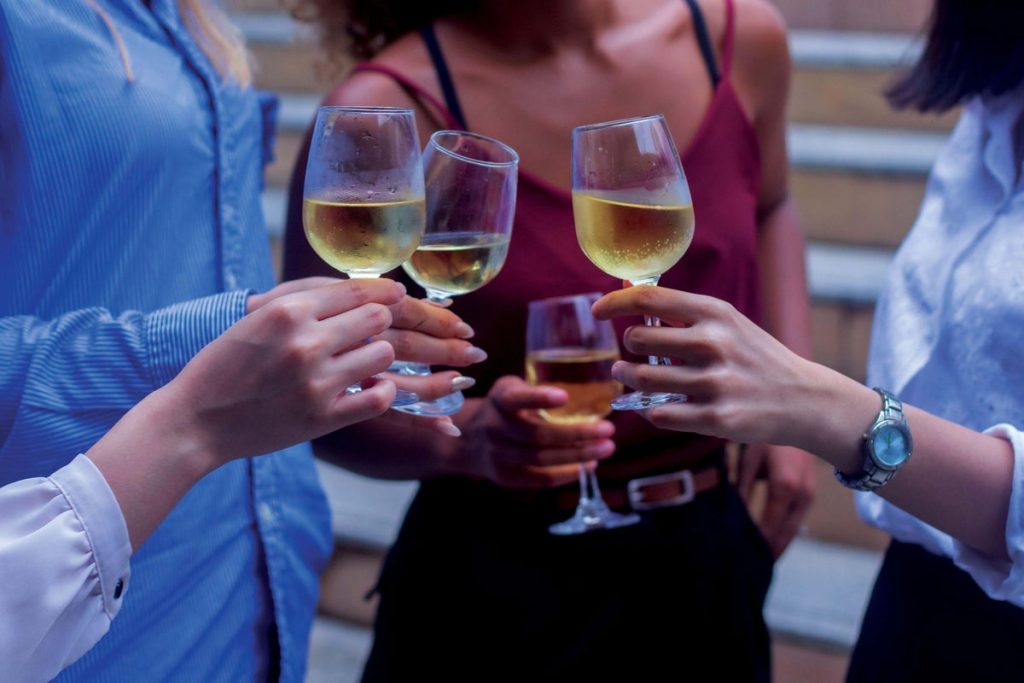
A groundbreaking study has discovered that simply contemplating different alcoholic beverages can significantly influence psychological states and activate specific mental frameworks, particularly among younger demographics. The research demonstrates that various spirits evoke distinct cognitive responses: tequila stimulates celebratory attitudes, whiskey triggers assertive masculine associations, and wine activates refined, cultured mindsets.
This comprehensive investigation, published in Young Consumers, involved 429 participants across four separate studies designed to explore the cultural meanings and emotional responses linked to various alcoholic drinks.
The research team initiated their work with two exploratory studies to map how individuals conceptualize different alcohol types. The initial phase employed open-ended questioning techniques, while the second utilized word-association exercises. These preliminary investigations revealed consistent cultural connections that researchers termed “learned associations” – cognitive patterns formed through personal experience and cultural immersion.
Building on these findings, the team developed assessment tools to measure alcohol-related psychological states. Study participants evaluated their emotional responses to randomly assigned beverages using prompts such as “I feel ___ when considering this alcoholic beverage.” The sophisticated framework encompassed qualities like refined, graceful, distinguished, ceremonial, and luxurious. The masculine framework included assertive, resilient, self-assured, virile, and powerful characteristics. The celebratory framework featured energetic, sociable, entertaining, festive, and jubilant elements.
Two controlled experiments followed, where participants received random assignments to contemplate wine, whiskey, or tequila before completing the psychological assessment questionnaires. This methodology enabled researchers to determine whether different alcoholic beverages trigger distinct mental associations.
Crucially, no actual alcohol consumption occurred during the studies, allowing researchers to examine learned associations independently from alcohol’s physiological impacts.
The results revealed striking patterns. Tequila consistently generated associations with entertainment, spontaneity, festivity, and social gatherings. Whiskey produced connections to strength, durability, confidence, and masculine identity. Wine, conversely, linked to sophistication, social status, cultural refinement, and elegance.
These discoveries indicate that alcoholic beverages operate as “symbolic triggers,” suggesting that the mental frameworks people connect with various drinks stem from cultural learning rather than intoxication effects.
Significance of the Findings
Current data shows that 54% of American adults consume alcohol in 2025, representing the lowest participation rate since Gallup initiated tracking in 1939. This figure reflects a notable decrease from the 1997-2023 period, when over 60% of adults reported drinking.
Consumption motivations vary widely among individuals. Some drink to enhance social experiences, while others seek enjoyment, social connection, or stress relief. However, for certain individuals, alcohol use may become problematic or uncontrollable, constituting alcohol use disorder.
Emerging research increasingly highlights health risks associated with even moderate drinking, including elevated cancer risks across multiple types.
Extensive alcohol research has traditionally focused on consumption consequences. Studies demonstrate that drinking leads to reduced inhibitions and increased risk-taking behaviors. Additional research reveals that individuals absorb drinking-related concepts and behaviors from their environment, with advertising significantly influencing young people’s drinking patterns, timing, and methods.
Popular culture references, such as the television series “How I Met Your Mother” episode exploring how different cocktails reflect character personalities, may contain genuine psychological foundations for these associations.
Despite their potential importance, these learned associations remain understudied, particularly regarding their ability to activate specific drinking mindsets without actual consumption.
This research holds particular relevance because Generation Z consumes less alcohol than previous generations while remaining exposed to alcohol-related media and cultural influences. Comprehending these psychological mechanisms may illuminate how alcohol-related social expectations develop and impact drinking decisions.
Future Implications
Learned associations for various alcoholic beverages can shape emotional states, potentially influencing intentions, choices, and social expectations. For instance, if tequila thoughts activate a “celebration” mindset, this could affect evening planning and decision-making processes.
Enhanced understanding of these associations could inform public health initiatives promoting moderation and responsible consumption, including drink pacing, hydration maintenance, and overconsumption prevention. Future investigations might examine association formation across different social environments, variations among age groups or cultures, and intervention strategies to modify these associations for reducing risky behaviors and encouraging safer, more responsible alcohol use.