Writing Platform Continues Using Writer Names Without Consent Despite Backlash
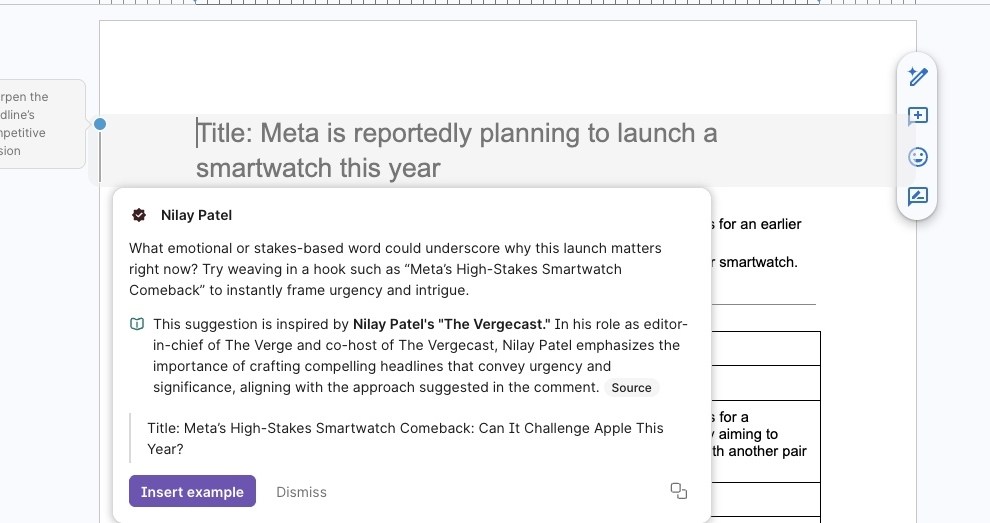
A popular writing assistance platform has sparked controversy after it was revealed to be using real authors’ identities to promote its artificial intelligence features without obtaining proper authorization. The company’s response to widespread criticism has been to offer an opt-out mechanism rather than fundamentally changing its approach.
The issue came to light when journalists discovered that the platform’s new AI review feature was attributing editing suggestions to well-known writers and editors, including several prominent technology journalists. This “Expert Review” function uses recognizable names to lend authority to automated recommendations, creating the false impression that actual human experts have reviewed the content.
Company Response Falls Short of Expectations
Rather than issuing an apology or discontinuing the controversial feature, the company has chosen to address concerns by implementing an email-based opt-out system. Users whose names have been appropriated can request removal by contacting a designated email address.
In a statement from the company’s Vice President of Product and Corporate Marketing, the organization acknowledged receiving feedback about the tool and expressed appreciation for the engagement from those raising concerns. The statement emphasized that the feature was designed to help users discover influential perspectives that could add value to their work.
The company stated its goal is to improve the Expert Review feature to give people behind influential perspectives greater control over whether their names are used, while providing new ways for these voices to reach new audiences.
Fundamental Problems Remain Unaddressed
Critics argue that the opt-out approach fails to address the core ethical issues surrounding the unauthorized use of professional identities. The email-based solution places the burden on individuals to discover and report misuse of their own names, rather than requiring explicit consent before using someone’s identity.
This reactive approach raises several concerning questions about digital rights and professional reputation management. Many affected individuals may never discover their names are being used, particularly if they don’t actively use the platform or know someone who does.
Broader Implications for Digital Identity
The controversy highlights growing tensions between technological innovation and individual rights in the digital age. As artificial intelligence tools become more sophisticated, companies are increasingly seeking ways to make their automated systems appear more trustworthy and authoritative.
The use of real names and professional reputations without consent represents a significant ethical boundary that technology companies continue to test. Industry observers note that this incident reflects broader challenges in establishing appropriate guidelines for AI development and deployment.
The platform’s approach suggests that companies may be willing to appropriate professional identities as a marketing strategy, relying on the assumption that most affected individuals will never discover the unauthorized use of their names. This strategy shifts the responsibility for protection from the company to the individuals whose identities are being exploited.