Housing Market Shows Modest Recovery in February Despite Ongoing Supply Challenges
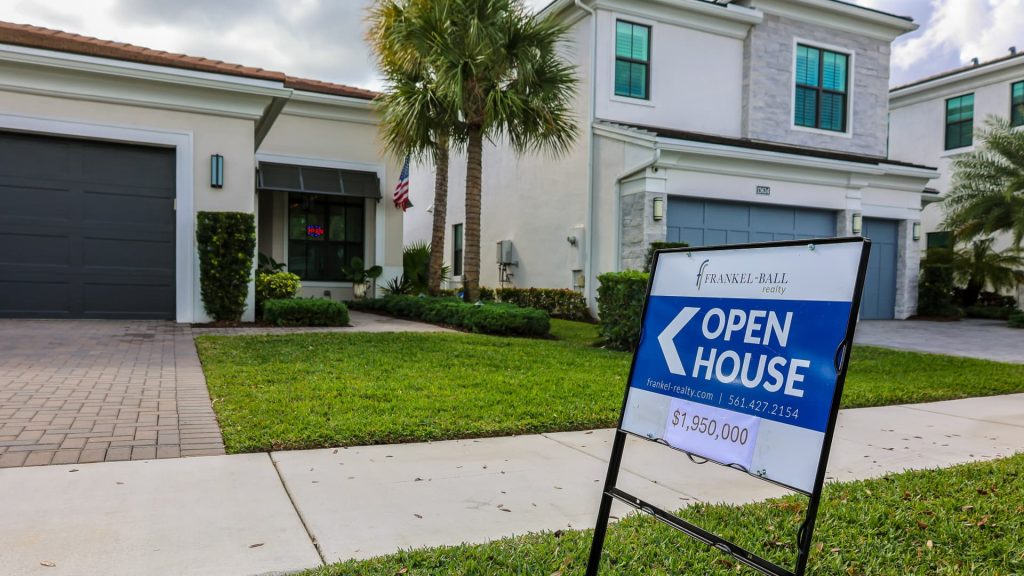
The residential real estate market experienced a marginal uptick in February, though rising borrowing costs may dampen prospects for the traditional spring selling season.
According to National Association of Realtors data, existing home transactions increased by 1.7% month-over-month in February, reaching a seasonally adjusted annual pace of 4.09 million units. However, this figure remained 1.4% below the previous year’s February levels.
These completed transactions likely originated from contracts signed during December and January, when mortgage interest rates had declined and stabilized around 6% for 30-year fixed loans. This represented approximately a full percentage point decrease compared to rates from the prior year.
Lawrence Yun, the organization’s chief economist, emphasized that while sales showed improvement, actual buyer demand continues to lag behind employment and income growth indicators. He highlighted that wage increases are currently outpacing home price appreciation by nearly four percentage points, while borrowing costs remain notably lower than previous year levels.
The economist also pointed out a striking disconnect: despite the addition of over 6 million jobs since 2019, annual home sales have declined by 1 million units during the same period.
Although reduced mortgage rates provided some relief for affordability concerns, limited housing inventory continues to constrain market activity. Available properties totaled 1.29 million units at February’s conclusion, representing increases of 2.4% from January and 4.9% year-over-year. This inventory level translates to a 3.8-month supply at current sales velocity, remaining flat from the previous month. Market equilibrium typically requires a six-month supply balance.
Real estate brokerage Redfin reported that sellers who withdrew their properties last autumn due to sluggish sales and diminished consumer sentiment are now returning to market. January witnessed nearly 45,000 previously delisted homes returning to active status, marking the highest January figure in a decade of tracking and representing 3.6% of all January listings.
Yun characterized inventory growth as gradual but insufficient, warning that if buyer demand accelerates beyond supply increases in coming months, price pressures will inevitably intensify. He stressed the importance of expanding housing stock to moderate price growth, enhance affordability, and stimulate transaction volumes.
Despite supply constraints, price appreciation remained minimal. February’s median home sale price reached $398,000, reflecting just 0.3% annual growth. Premium properties priced at $1 million and above continued demonstrating the strongest sales performance, while lower-priced segments experienced significant declines.
Market dynamics show properties requiring longer selling periods, averaging 47 days compared to 42 days previously. First-time purchasers comprised 34% of total sales, up from 31% annually, while investor participation held steady at 16%.