8 Everyday Foods Most Likely to Harbor Microplastic Particles
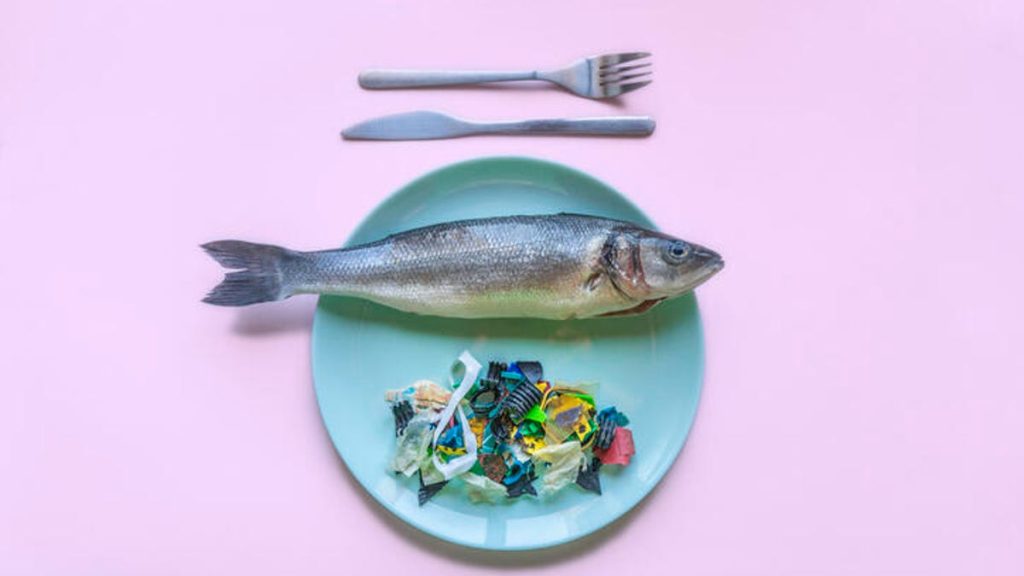
The presence of microscopic plastic fragments in our daily meals has become an unavoidable reality. These tiny particles have penetrated virtually every aspect of our food supply, from the water we drink to the fruits and vegetables we consume. Medical experts emphasize that while regulatory agencies haven’t established definitive safety thresholds, minimizing exposure remains a prudent approach for health-conscious consumers.
According to board-certified family medicine physician Dr. Joseph Mercola, these plastic particles enter our food chain through multiple pathways, including agricultural practices that utilize plastic mulching and contaminated irrigation water, as well as processing and packaging methods that rely heavily on synthetic materials.
Understanding Microplastic Exposure Levels
Currently, no official guidelines exist for determining safe versus dangerous levels of microplastic consumption. The U.S. Food and Drug Administration maintains that existing research doesn’t indicate immediate health risks from current exposure levels. However, health professionals recommend reducing intake whenever possible, given the particles’ ability to accumulate in human organs and potentially cause inflammatory responses.
Eight Primary Food Sources of Microplastic Contamination
Marine-Based Foods
Ocean-dwelling creatures represent one of the most significant sources of plastic particle exposure. When single-use plastics break down in marine environments, they’re consumed by plankton and subsequently by fish and shellfish throughout the food web. Recent research from Portland State University detected microplastic contamination in nearly all tested seafood samples, with filter-feeding species like clams, mussels, and oysters showing particularly high concentrations.
Reduction strategy: Limit consumption of bottom-dwelling and filter-feeding species, and select seafood packaged in sustainable materials rather than plastic wrapping.
Tea Beverages
Many commercial tea bags contain polypropylene or other synthetic materials that release billions of plastic particles when exposed to hot water. Even paper-based tea bags may contain plastic components. Research from the Autonomous University of Barcelona found that certain tea bag materials can release extraordinary quantities of microplastics during brewing.
Reduction strategy: Switch to loose-leaf tea preparations using stainless steel infusers or strainers to eliminate bag-related contamination.
Rice Products
This staple grain shows concerning levels of plastic contamination, with University of Queensland researchers discovering significant particle concentrations in both traditional and instant rice varieties. Pre-packaged instant rice products showed particularly elevated levels, containing four times more plastic particles than conventional rice.
Reduction strategy: Thoroughly rinse rice before cooking using filtered water, which can reduce contamination by 20-40%.
Salt and Sugar
These essential seasonings carry microplastic contamination from both environmental sources and packaging processes. Studies indicate that approximately 90% of globally sampled salt brands contain detectable plastic particles, while sugar products also show contamination patterns linked to production and packaging methods.
Reduction strategy: Purchase these products in glass or cardboard packaging rather than plastic containers.
Bottled Water
Perhaps the most well-documented source of microplastic exposure, bottled water can contain hundreds of thousands of plastic particles per liter. The polyethylene terephthalate (PET) plastic used in most water bottles breaks down when exposed to heat or physical stress, releasing fragments into the contents.
Reduction strategy: Use stainless steel or glass containers for water consumption, filling them from filtered tap sources.
Honey Products
Even natural honey contains microplastic contamination, traced to environmental pollution that affects bee foraging patterns. Research shows that honeybees can inadvertently collect and distribute plastic particles through their normal activities, incorporating these materials into hive products.
Reduction strategy: Source honey from local beekeepers who employ sustainable and natural harvesting practices.
Fresh Produce
Fruits and vegetables absorb microplastic particles through their root systems from contaminated soil and irrigation water. Research indicates that apples and carrots show the highest contamination levels among tested produce. Additionally, plastic packaging used in grocery stores may contribute to surface contamination.
Reduction strategy: Thoroughly wash all produce, peel when appropriate, and choose locally grown or organic options when available.
Protein Sources
Recent studies reveal that nearly 90% of both plant and animal protein sources contain microplastic particles. Highly processed proteins, including plant-based meat alternatives and breaded seafood products, show the highest contamination levels, suggesting that industrial processing contributes significantly to plastic particle presence.
Reduction strategy: Choose minimally processed protein sources and maintain adequate protein intake regardless of contamination concerns.
Health Implications of Microplastic Consumption
While long-term health effects remain under investigation, preliminary research suggests that ingested plastic particles can accumulate in various organ systems, including the brain and circulatory system. These accumulations may trigger inflammatory responses and tissue damage. Additionally, microplastics can carry endocrine-disrupting chemicals that may affect hormonal balance and absorb other environmental toxins.
Practical Strategies for Reducing Exposure
Kitchen Equipment Modifications
Replace plastic cooking utensils, cutting boards, and food storage containers with alternatives made from glass, stainless steel, ceramic, or wood. This simple change eliminates a major source of direct plastic contact with food.
Food Storage Practices
Avoid storing fatty foods in plastic containers, as fat-soluble plasticizing chemicals transfer more readily into these products. Glass containers provide the safest storage option for all food types.
Shopping Habits
Minimize purchases of plastic-wrapped foods when alternatives exist, and seek out products packaged in sustainable materials.
Water Filtration
Install water filtration systems specifically designed to remove microplastic particles. Some brands offer filters that target these contaminants while removing other harmful substances.
Despite widespread microplastic contamination, maintaining a balanced diet rich in fruits, vegetables, and proteins remains essential for optimal health. The key lies in making informed choices that reduce exposure while ensuring adequate nutrition for proper bodily function.